
Acupuncture for Sports Injuries
Reduce pain and restore movement with evidence-based acupuncture care. Delivered by an experienced, AFPA-registered practitioner.
How Acupuncture Can Support Recovery From Sports Injuries
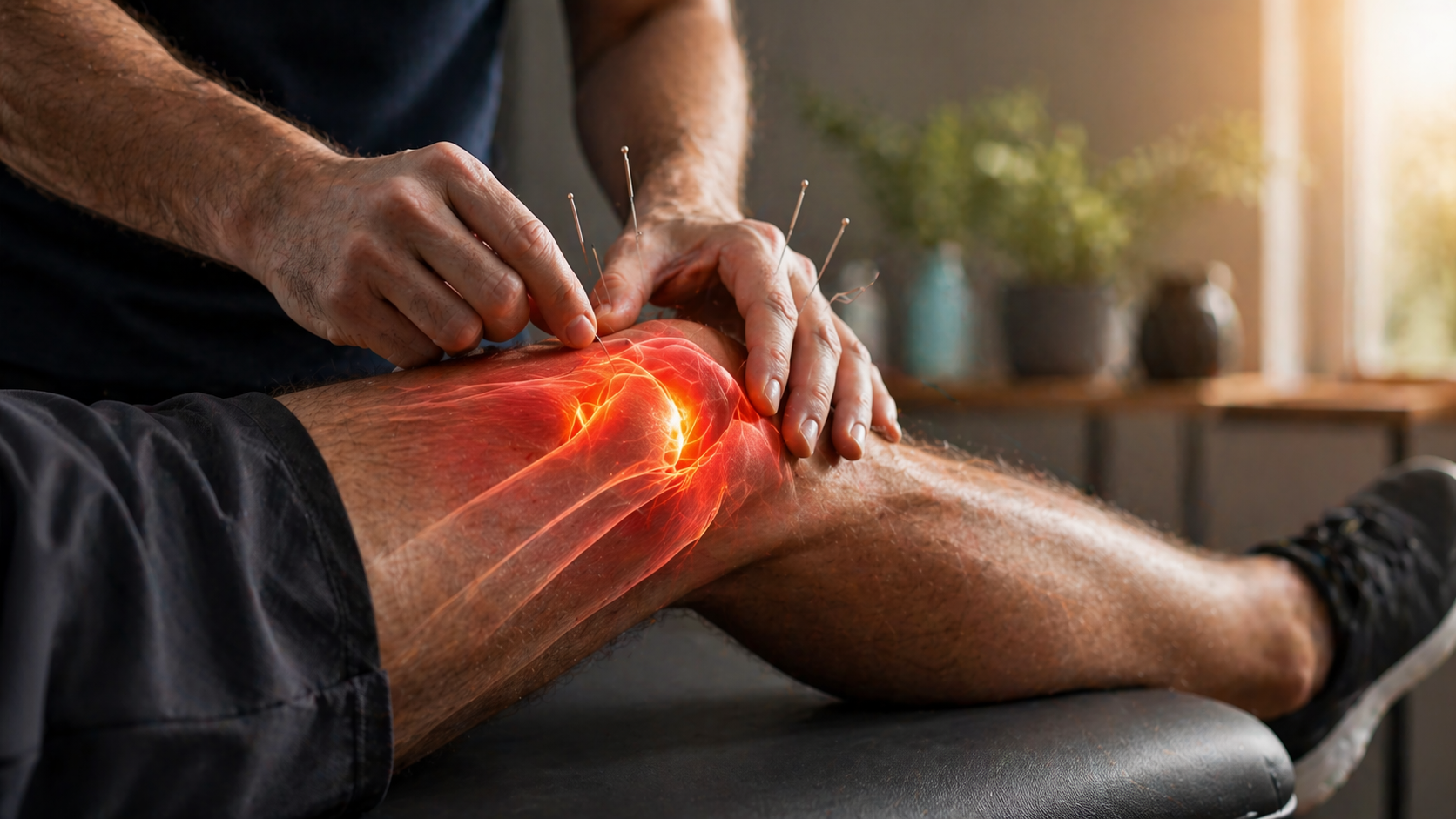
Research across a wide range of patients shows that acupuncture can support recovery from musculoskeletal injuries by helping to reduce pain and improve function. Rather than simply masking symptoms, acupuncture works with the body’s natural healing processes to support tissue repair, ease muscle tension, and improve circulation in the injured area.
This can be particularly useful for sports injuries, where recovery often depends on managing inflammation, restoring movement, and preventing compensation patterns that can lead to further strain.
Please note that results vary from person to person. Acupuncture is best used alongside appropriate medical care, rehabilitation, and a gradual return to activity. Evidence suggests the most consistent outcomes come when treatment is combined with movement, strength work, and good recovery habits.
Our Pain Acupuncture Therapies & Treatments

Sport Injuries Acupuncture
How Acupuncture May Help
Experience the Benefits:
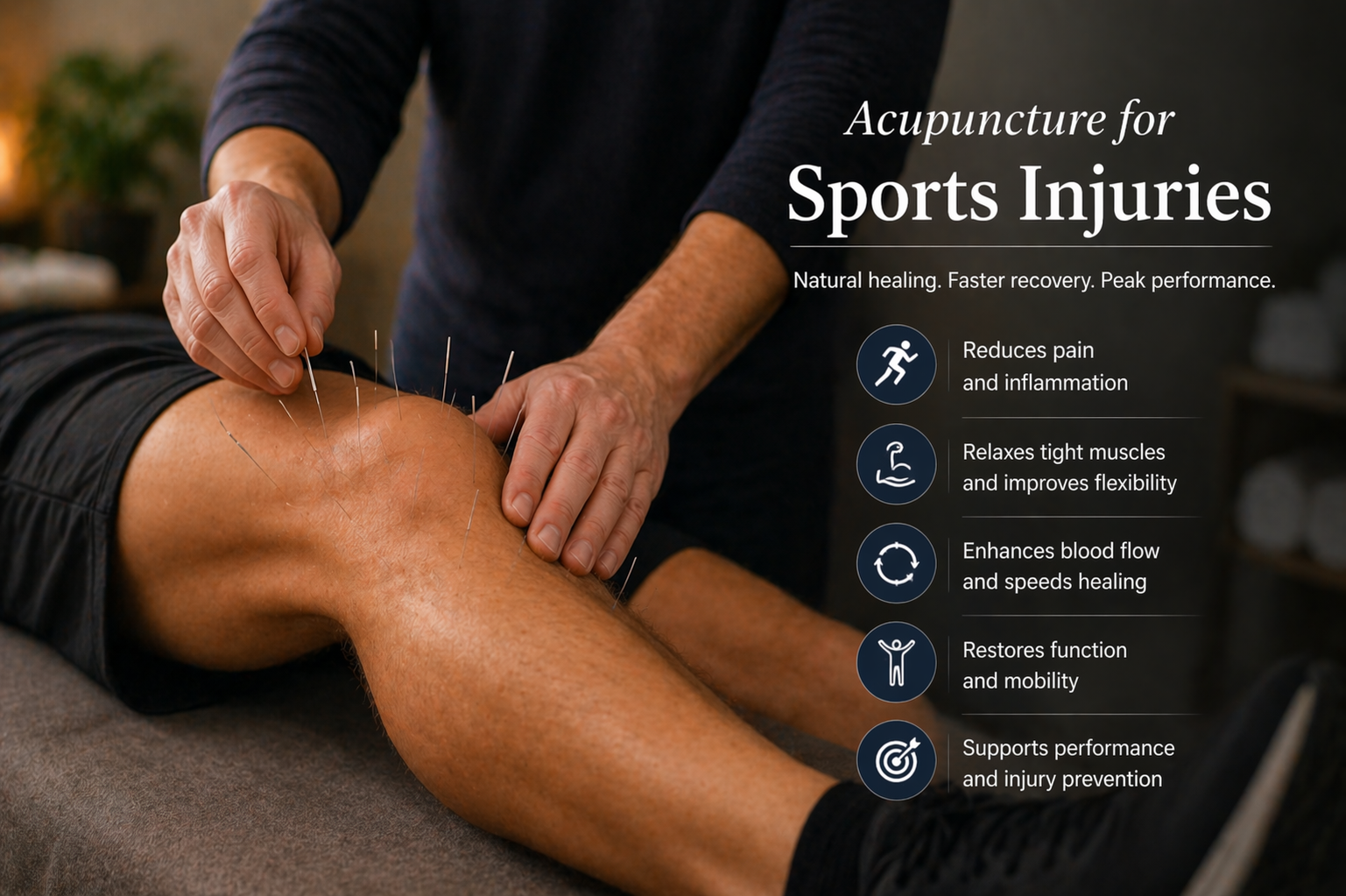
Reduces Pain and Inflammation
Studies indicate that acupuncture may help relieve pain by modulating pain pathways, reducing inflammation, and influencing the body's autonomic nervous system. Tiny needles influence your nervous system to trigger pain-reducing responses, affecting how pain signals travel through your spinal cord and brain.
Improves Mobility and Function
Chronic pain often restricts movement, creating a cycle of stiffness and discomfort. Acupuncture may help release muscle tension, improve circulation to affected areas, and support a greater range of motion, making everyday activities more manageable.
Releases a Natural Pain Relief
Acupuncture works by stimulating the release of endogenous opioids and other biochemical mediators that naturally reduce pain. This gentle approach supports your body's own pain management systems without the side effects associated with pharmaceutical options.
Supports Long-Term Healing
Research suggests that the effects of acupuncture persist over time, with benefits often lasting 12 months or longer after completing treatment. Many people find that regular sessions help prevent flare-ups and maintain improved comfort levels.
Your Treatment Plan
Typical programme structure: Most people benefit from 6-10 sessions initially, starting with treatments 1-2 times per week, then gradually spacing them out as improvements stabilise.
Treatment techniques may include:
Traditional body acupuncture targeting pain and circulation points
Electroacupuncture for enhanced pain relief in soft tissue cases
Cupping or myofascial decompression to release tight muscles
Gentle lifestyle and movement guidance based on TCM principles
Optional enhancements: Red light therapy or Chinese herbal consultation may be recommended to support your individual needs.
Your First Appointment
Your initial appointment includes a comprehensive health assessment to understand your pain pattern, medical history, and overall well-being. William will take your pulse and examine your tongue, key diagnostic tools in Traditional Chinese Medicine, to identify the underlying patterns affecting your pain and mobility.
You'll receive your first acupuncture treatment along with guidance you can use at home between sessions.
What to Expect
Between Sessions
You might notice subtle shifts after your first treatment, perhaps feeling calmer around pain triggers or sleeping with less disruption. Some people feel energised, whilst others feel deeply relaxed.
We'll provide simple self-care techniques, including acupressure points you can use at home and breathing exercises to support continued progress between visits
Is Pain Relief Acupuncture for You?
Pain Acupuncture Works Well if You Experience:
Frequent pain, especially from musculoskeletal issues or overuse
Chronic conditions like arthritis, fibromyalgia, or recurring headaches
Pain that disrupts sleep or makes daily activities challenging
Muscle tension that makes healthy movement feel overwhelming
Acute injuries or sports-related pain affecting training
Discomfort that hasn't fully responded to physiotherapy alone
Important to Understand
Acupuncture is most effective when integrated into a holistic health approach, complementing sensible medical care and consistent physical activity. For optimal pain relief and well-being, combine acupuncture with sustainable lifestyle changes like dietary adjustments, stress management, and improved sleep. This comprehensive strategy maximises acupuncture's therapeutic potential for lasting health improvements.
Safety Considerations
Acupuncture is generally considered safe when performed by an experienced, well-trained practitioner using sterile needles. Acupuncture is not suitable if you have certain bleeding disorders, active skin infections in treatment areas, or pregnancy (though we can safely treat many conditions during pregnancy using modified protocols). We'll discuss your medical history during your initial appointment to ensure treatment is appropriate for you.
Frequently Asked Questions
Does Acupuncture Actually Help with Pain?
Recent systematic reviews involving thousands of participants confirm that acupuncture is effective for treating chronic pain, with effects that persist over time. Research demonstrates benefits for various pain conditions including low back pain, osteoarthritis, chronic headaches, and neck pain. A 2025 NIH-funded study found that older adults with chronic low back pain who received acupuncture had greater improvement in physical function and reduced pain compared to those receiving usual medical care only.
How Many Sessions Will I Need?
Most people notice changes within 3-4 treatments, with chronic conditions typically requiring 1-2 sessions per week for 4-6 weeks. Long-standing issues may need 5-10 sessions to see significant, lasting improvement. We review your progress at session 3 and adjust your plan accordingly. Some individuals benefit from ongoing monthly maintenance treatments to support long-term comfort.
Can I Combine Acupuncture with My Current Treatments?
Absolutely. Acupuncture is typically used as a complementary therapy alongside other pain interventions, and many people find it easier to stick with their physiotherapy exercises or reduce pain medication when acupuncture helps address underlying stress and inflammation. Always inform both your GP and acupuncturist about all treatments you're receiving.
Ready to Explore how Acupuncture Might Support Your Pain Relief Goals?
Book Your Pain Relief Appointment Today
New to acupuncture? We offer flexible rescheduling if your circumstances change, and there's never any pressure to commit to a long programme during your initial appointment.
Call us at 01 5240874 to schedule your appointment.
Why Trust Us?
With years of experience in pain management acupuncture, we are committed to delivering personalised care tailored to your specific needs.
Expertise
Our clinic offers a calm and relaxing atmosphere where you can discuss your needs openly.
Professional Environment
Insurance Accepted
Treatments are recognised by major health insurers, making it easier for you to get the support you need.
Get started with AcuFusion, today
Have questions? We’re here to help! Reach out via phone or email, or visit our clinic for a friendly chat.